
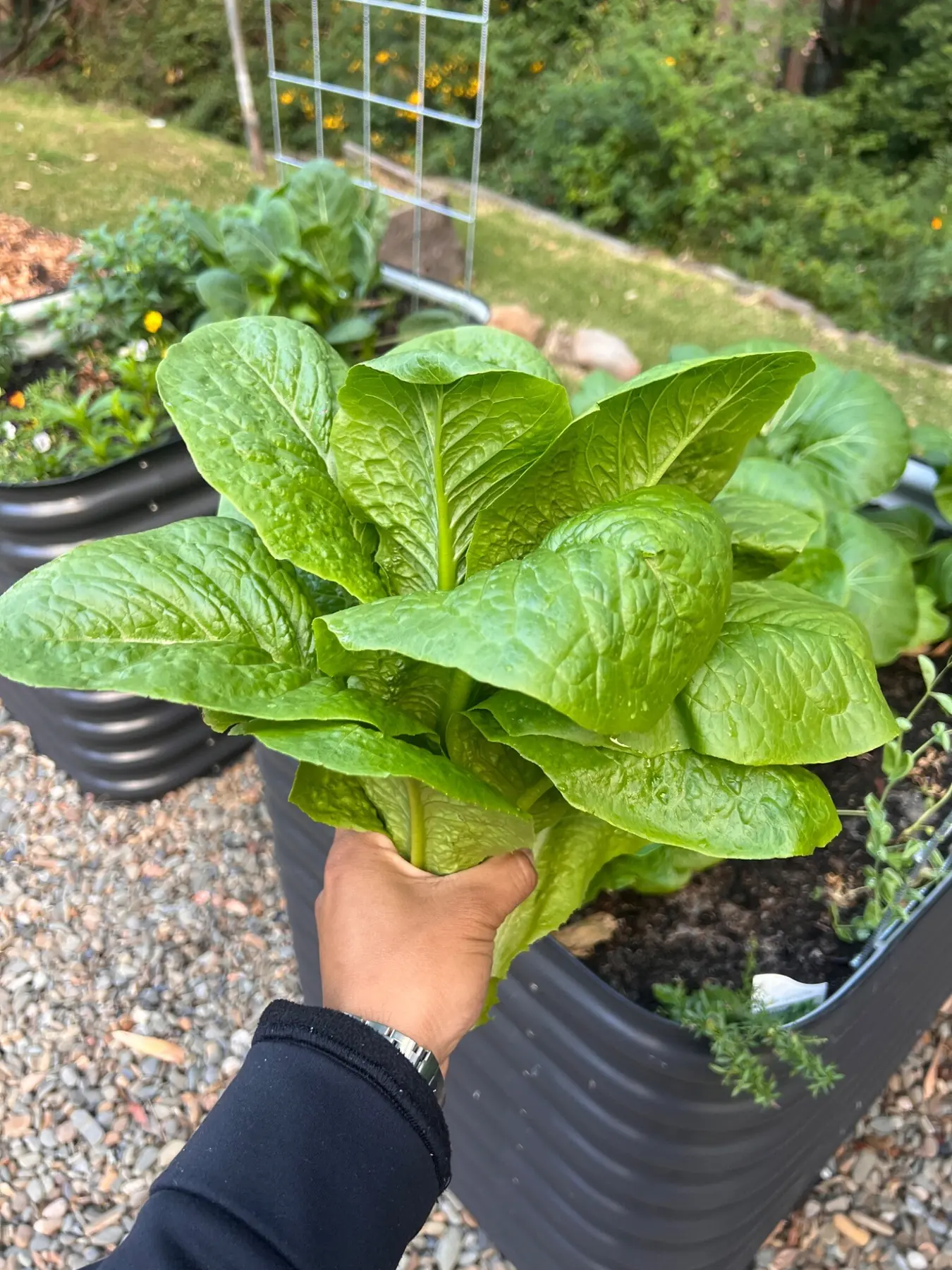
Raised beds can bring productive growing into sloping, compact or difficult spaces. They provide a defined area, make soil easier to manage and can reduce bending—but thoughtful placement is what makes them enjoyable long term.
Begin with the purpose
Decide whether the bed is for quick herbs near the kitchen, seasonal vegetables, flowers or a mix. What you want to grow affects the amount of sun, soil depth and access you will need.
Walk the site before choosing a bed
- Watch where the sun moves across the space.
- Leave enough room to reach the bed comfortably.
- Keep gates, steps and pathways clear.
- Consider drainage and how water reaches the bed.
- Allow room for tall crops or climbing supports.
Match the layout to the space
Modular Birdies raised garden beds can be configured in different shapes and sizes. That flexibility is useful for narrow side areas or gardens where one large rectangle would block access. Sometimes several smaller beds create a more workable arrangement.
Fill with intention
A raised bed is not simply a container to fill with whatever is available. The base, growing mix and final level should suit the bed depth and the crops you plan to grow. Expect the mix to settle over time and allow for future top-ups with compost or suitable soil improver.
Make harvesting part of the plan
Place frequently used herbs and leafy greens where they are easy to reach. Use succession planting for a steadier supply, and leave some open space rather than crowding every centimetre on day one.